
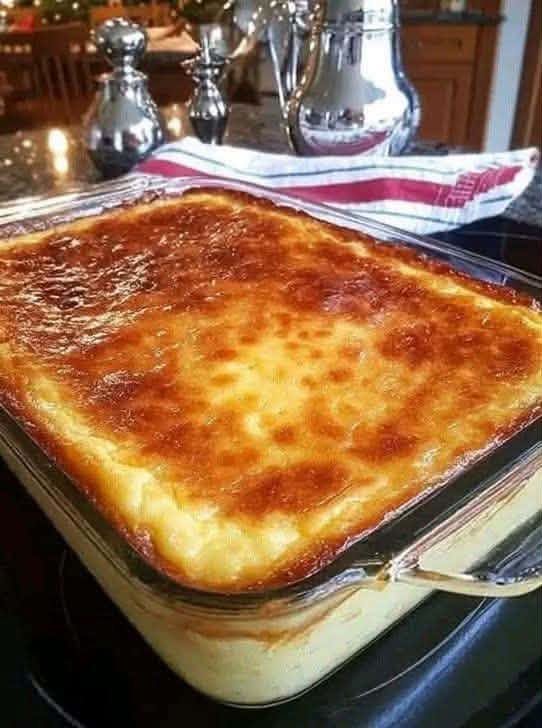
Cream Cheese Corn Casserole
1. Recipe Overview
Cream Cheese Corn Casserole is a rich, creamy, buttery side dish made with sweet corn, smooth cream cheese, butter, sour cream, and a light layer of seasoning. Baked until hot and bubbly, this comforting casserole has a soft, creamy center with lightly golden edges and plenty of sweet corn in every bite.
It is perfect for family dinners, holiday gatherings, potlucks, Sunday lunches, barbecues, and weeknight meals. The recipe uses simple ingredients and requires very little preparation.
Recipe Details
- Prep Time: 10–15 minutes
- Cook Time: 35–45 minutes
- Total Time: 45–60 minutes
- Servings: 6–8
- Difficulty: Easy
- Cooking Method: Oven-baked
- Cuisine: American-inspired comfort food
- Flavor Profile: Creamy, buttery, sweet, savory, and mildly cheesy
- Texture: Soft and creamy in the center with lightly golden edges
2. Ingredients
Main Ingredients
- 4 cups sweet corn kernels, drained if canned
- 8 oz (225 g) cream cheese, softened and cut into cubes
- 1/2 cup unsalted butter, melted
- 1/2 cup sour cream
- 1/2 cup whole milk
- 1 tablespoon all-purpose flour, optional, for a slightly thicker consistency
- 1 teaspoon granulated sugar, optional, to enhance the sweetness of the corn
- 1/2 teaspoon salt, or to taste
- 1/4 teaspoon freshly ground black pepper
- 1/2 teaspoon garlic powder
- 1/2 teaspoon onion powder
Optional Cheesy Topping
- 1 cup shredded cheddar cheese
- 2 tablespoons grated Parmesan cheese
- 1 tablespoon chopped fresh parsley or chives
The additional cheese creates a golden, savory topping. You can leave it out if you prefer a softer, creamier casserole with a more noticeable cream cheese flavor.
3. Best Corn to Use
You can prepare this casserole with canned, frozen, or fresh corn.
Canned Corn
Canned corn is convenient and works very well. Drain it thoroughly before adding it to the mixture.
For this recipe, use approximately four cups of drained corn.
Frozen Corn
Frozen corn provides a pleasant texture and sweet flavor. Thaw it first and drain any excess liquid.
If you use frozen corn directly from the freezer, the casserole may need additional baking time.
Fresh Corn
Fresh corn is excellent when in season. Remove the kernels from approximately four to five medium ears of corn, depending on their size.
For a deeper flavor, lightly sauté the kernels in a small amount of butter before mixing them into the casserole.
My recommendation: Use a mixture of sweet corn kernels and cream-style corn for a softer, more traditional casserole texture. If using cream-style corn, reduce the milk slightly to prevent the mixture from becoming too thin.
4. Step-by-Step Instructions
Step 1: Preheat the Oven
Preheat your oven to 350°F (175°C).
Lightly grease a 2-quart baking dish with butter or nonstick cooking spray.
A ceramic or glass baking dish works well because it heats evenly and makes serving easy.
Step 2: Prepare the Corn
If using canned corn, pour it into a colander and drain thoroughly.
If using frozen corn, thaw it and remove excess moisture with a clean kitchen towel or paper towels.
Place the corn in a large mixing bowl.
Removing excess liquid is important because too much moisture can make the casserole watery.
Step 3: Soften the Cream Cheese
Allow the cream cheese to sit at room temperature for approximately 20–30 minutes.
Cut it into small cubes to make mixing easier.
If the cream cheese is still cold, it may form small lumps when combined with the other ingredients.
For a quicker method, microwave it in a microwave-safe bowl for approximately 10–15 seconds at a time, checking frequently until softened but not melted.
Step 4: Combine the Creamy Ingredients
In a large mixing bowl, combine:
- Softened cream cheese
- Melted butter
- Sour cream
- Milk
Whisk or stir until the mixture is mostly smooth.
Small soft lumps of cream cheese are acceptable at this stage, but a smoother mixture will distribute more evenly throughout the casserole.
Step 5: Add the Seasonings
Add the salt, black pepper, garlic powder, onion powder, and optional sugar.
Mix thoroughly.
Taste a small amount of the mixture before adding the corn, adjusting the seasoning as needed.
Remember that cheddar and Parmesan can add extra saltiness if you plan to use them.
Step 6: Add the Corn
Add the drained corn kernels to the cream cheese mixture.
Stir gently until all the kernels are coated with the creamy sauce.
If using the optional flour, sprinkle it evenly over the mixture and stir thoroughly to avoid lumps.
The mixture should look thick, creamy, and evenly combined.
Step 7: Transfer to the Baking Dish
Pour the corn mixture into the prepared baking dish.
Spread it evenly with a spatula.
For a cheesy casserole, sprinkle the shredded cheddar over the top, followed by the Parmesan if desired.
The cheese will melt during baking and develop a lightly golden surface.
Step 8: Bake the Casserole
Place the baking dish in the preheated oven.
Bake uncovered for approximately 35–45 minutes, depending on the depth of the dish and the temperature of the ingredients.
The casserole is ready when:
- The edges are bubbling.
- The center is hot and mostly set.
- The cheese topping is melted and lightly golden, if used.
- The mixture has thickened rather than remaining watery.
If the top begins browning too quickly, loosely cover the dish with aluminum foil for the remainder of the baking time.
Step 9: Rest Before Serving
Remove the casserole from the oven and allow it to rest for 5–10 minutes.
This resting period allows the sauce to settle and thicken slightly, making the casserole easier to serve.
Sprinkle with fresh parsley or chopped chives if desired.
Serve warm as a side dish.
5. What Does Cream Cheese Corn Casserole Taste Like?
This casserole combines several complementary flavors.
Sweet corn: Provides a naturally sweet, juicy bite.
Cream cheese: Creates a rich, smooth, slightly tangy base.
Butter: Adds richness and helps the sauce taste silky.
Sour cream: Balances the sweetness with a gentle tang.
Garlic and onion powder: Add savory depth without overpowering the corn.
Cheddar cheese: Contributes a stronger cheesy flavor and a golden topping.
The finished casserole should be creamy and spoonable rather than firm like cornbread.
If you prefer a firmer casserole, see the variations and troubleshooting sections below.
6. Tips for the Creamiest Casserole
Use Softened Cream Cheese
Softened cream cheese blends more easily with butter, milk, and sour cream. Cold cream cheese can leave lumps in the finished dish.
Drain the Corn Thoroughly
Excess liquid is one of the most common reasons a corn casserole turns watery.
Do Not Overbake
Overbaking can cause the dairy mixture to separate or become greasy around the edges.
Begin checking the casserole at around 30–35 minutes, especially if using a shallow dish.
Use Full-Fat Dairy for Richness
Full-fat cream cheese and sour cream provide a richer texture. Lower-fat alternatives can work, but the casserole may be less creamy.
Adjust the Seasoning Carefully
Sweet corn has a naturally sweet flavor, so a little salt, black pepper, garlic, and onion powder help balance the dish.
Allow Time to Rest
The casserole will thicken slightly as it cools. Resting it before serving helps the creamy sauce cling to the corn.
7. Delicious Recipe Variations
Variation 1: Extra Cheesy Cream Cheese Corn Casserole
For a richer version, use:
- 1 cup shredded cheddar cheese in the mixture
- 1 cup shredded cheddar on top
- 2 tablespoons grated Parmesan
Fold the first cup of cheddar into the corn mixture before transferring it to the baking dish.
Sprinkle the remaining cheddar and Parmesan on top.
Bake as directed until the cheese is melted and lightly golden.
Best for: Cheese lovers, holiday dinners, and potlucks.
Variation 2: Cream Cheese Corn Casserole with Bacon
Add 1/2 cup of cooked, crumbled bacon to the corn mixture.
You can also reserve a little bacon for sprinkling over the finished casserole.
For the best texture, cook the bacon until crisp and drain it on paper towels before adding it.
Flavor result: Smoky, salty, creamy, and sweet.
Variation 3: Jalapeño Cheddar Corn Casserole
For a little heat, add:
- 1–2 finely chopped jalapeños
- 1 cup shredded cheddar cheese
- 1/4 teaspoon smoked paprika
Remove the jalapeño seeds and membranes for a milder flavor.
This variation pairs particularly well with grilled chicken, burgers, barbecue ribs, and roasted meats.
Variation 4: Garlic Parmesan Corn Casserole
Add two minced garlic cloves or increase the garlic powder to 1 teaspoon.
Mix in 1/3 cup grated Parmesan and sprinkle an additional 2 tablespoons over the top.
The Parmesan gives the casserole a savory, slightly nutty flavor.
Variation 5: Southern-Style Corn Casserole
For a more traditional Southern-inspired variation, add one 14–15 oz can of cream-style corn and reduce the milk to approximately 1/4 cup.
You can also incorporate 1/2 cup of shredded cheddar.
For a thicker, more substantial casserole, some versions include a small box of cornbread mix. If you add cornbread mix, follow the package’s ingredient requirements and adjust the other ingredients accordingly.
The texture will be more cake-like than the creamy version in the main recipe.
Variation 6: Herb and Black Pepper Corn Casserole
Add:
- 1 teaspoon dried thyme
- 1 tablespoon chopped fresh parsley
- An additional pinch of freshly ground black pepper
This version is especially good with roasted chicken, turkey, and pork.
Variation 7: Caramelized Onion Corn Casserole
Sauté one medium finely sliced onion in a little butter over medium-low heat until soft and golden.
Allow it to cool slightly, then fold it into the corn mixture.
The onions add sweetness and depth without requiring additional sugar.
Variation 8: Crunchy Topping Version
For a crispy topping, combine:
- 1/2 cup crushed buttery crackers
- 2 tablespoons melted butter
- 2 tablespoons grated Parmesan
Sprinkle the mixture over the casserole during the final 15 minutes of baking.
Watch the topping carefully to prevent excessive browning.
8. Substitutions and Ingredient Alternatives
| Ingredient | Possible substitute | Expected result |
|---|---|---|
| Cream cheese | Neufchâtel cheese | Slightly lighter texture |
| Sour cream | Plain Greek yogurt | Tangier flavor and added protein |
| Whole milk | Evaporated milk | Richer, creamier sauce |
| Butter | Olive oil or a suitable plant-based butter | Different flavor and richness |
| Cheddar cheese | Monterey Jack or mozzarella | Milder, stretchy cheese topping |
| Parmesan | Pecorino Romano | Saltier, sharper flavor |
| Fresh corn | Frozen or canned corn | Convenient alternatives |
| All-purpose flour | Cornstarch, used sparingly | Helps thicken the sauce |
| Garlic powder | Fresh minced garlic | Stronger, more pronounced garlic flavor |
If substituting Greek yogurt for sour cream, choose plain, unsweetened yogurt. Avoid boiling the mixture, as some yogurts can separate when exposed to high heat.
9. Dietary Adjustments
Gluten-Free Version
The main recipe can be made gluten-free by omitting the optional all-purpose flour and using gluten-free ingredients.
If you want a thicker sauce, use a small amount of cornstarch mixed with cold milk before incorporating it.
Check the labels on seasonings, cheese, and any packaged ingredients to ensure they meet your requirements.
Lower-Carbohydrate Version
Corn contains carbohydrates, so this is not a zero-carb dish.
For a lower-carbohydrate version, reduce the corn portion and replace some of it with finely chopped cauliflower. Keep in mind that the flavor will be less sweet and more savory.
Use a modest amount of cheese and check the carbohydrate content of the dairy products.
Higher-Protein Version
Replace the sour cream with plain Greek yogurt and add a modest amount of extra cheddar.
You can serve the casserole alongside grilled chicken, turkey, or another lean protein to make the overall meal more protein-rich.
Lower-Calorie Version
Consider these adjustments:
- Use reduced-fat cream cheese.
- Replace sour cream with plain low-fat Greek yogurt.
- Reduce the butter to 2–3 tablespoons.
- Omit the optional sugar.
- Use a smaller amount of shredded cheese.
The result will be lighter, although it may not be quite as rich as the original.
Vegetarian Version
The basic recipe is vegetarian when the dairy products and cheese are suitable for a vegetarian diet.
If using Parmesan, check whether it contains animal-derived rennet if strict vegetarian suitability is important.
Dairy-Free Version
Use dairy-free cream cheese, sour cream, milk, butter, and shredded cheese alternatives.
Choose products designed for cooking and baking, since some dairy-free cheeses do not melt as smoothly as traditional cheese.
10. What to Serve with Cream Cheese Corn Casserole
This dish works particularly well as a side because its creamy sweetness complements savory mains.
Chicken Dishes
- Oven-roasted chicken
- Garlic butter chicken
- Grilled chicken breasts
- Barbecue chicken thighs
- Crispy baked chicken tenders
Beef Dishes
- Grilled steak
- Slow-cooked beef
- Beef brisket
- Meatloaf
- Roasted beef
Pork Dishes
- Roasted pork tenderloin
- Barbecue pulled pork
- Grilled pork chops
Vegetable Sides
- Roasted green beans
- Steamed broccoli
- Garlic roasted carrots
- Fresh garden salad
- Sautéed spinach
For a balanced dinner, serve a moderate portion of the casserole with a protein-rich main course and a vegetable side.
11. Make-Ahead Instructions
Cream Cheese Corn Casserole is a convenient dish for holidays and gatherings because you can prepare much of it ahead of time.
Preparing the Day Before
- Drain the corn thoroughly.
- Prepare the cream cheese mixture.
- Stir in the corn and seasonings.
- Transfer the mixture to a greased baking dish.
- Cover and refrigerate promptly.
For the best texture, add the optional shredded cheese topping shortly before baking.
Bake within 24 hours for best quality.
Baking from the Refrigerator
Remove the dish from the refrigerator while the oven preheats, but do not leave it at room temperature for an extended period.
A chilled casserole may require an additional 5–15 minutes of baking. Check that the center is thoroughly hot before serving.
Avoid putting a very cold glass baking dish directly into a hot oven unless the dish’s manufacturer confirms it is safe for that temperature change.
12. Storage and Reheating
Refrigerator Storage
Allow the casserole to cool slightly, then transfer leftovers to a shallow, airtight container.
Refrigerate within 2 hours of cooking, or within 1 hour if the surrounding temperature is above 90°F (32°C).
Store at 40°F (4°C) or below and consume within 3–4 days.
Reheating in the Oven
- Preheat the oven to 325°F (165°C).
- Transfer the desired portion to an oven-safe dish.
- Cover loosely with foil to prevent the top from drying out.
- Heat until the center reaches 165°F (74°C).
Larger portions may take 15–25 minutes or longer, depending on their depth.
Reheating in the Microwave
- Place a portion in a microwave-safe dish.
- Cover loosely.
- Heat in 30–60 second intervals, stirring if possible.
- Continue until heated thoroughly to 165°F (74°C).
Can You Freeze It?
Yes, but freezing may change the texture because cream cheese and sour cream sauces can become grainy or separate after thawing.
If freezing, place the cooled casserole in a freezer-safe container, seal tightly, and freeze for up to 2 months for best quality.
Thaw in the refrigerator before reheating. Stir gently if the sauce separates, and heat until the center reaches 165°F (74°C).
13. Frequently Asked Questions
Q1: Can I use cream-style corn instead of regular corn?
Yes. Cream-style corn makes the casserole softer and more cohesive. Reduce the milk to approximately 1/4 cup initially, then add more only if needed.
Q2: Why is my corn casserole watery?
Common causes include excess liquid from canned or frozen corn, too much milk, or insufficient baking time.
Drain the corn thoroughly, measure the liquids carefully, and allow the casserole to rest for 5–10 minutes after baking.
Q3: Can I make this casserole without sour cream?
Yes. Plain Greek yogurt is a suitable alternative. You can also use a little additional cream cheese and milk, although the final flavor will be richer and less tangy.
Q4: Do I need to use flour?
No. The optional flour helps thicken the mixture slightly, but the cream cheese itself provides body.
For a gluten-free version, omit the flour or use a suitable thickener if necessary.
Q5: Can I prepare it in a slow cooker?
Yes. Combine the ingredients and cook on LOW for approximately 2–3 hours, stirring occasionally if practical.
Cooking times vary by slow cooker. Ensure the mixture is thoroughly heated, and add the cheese topping near the end if desired.
A slow cooker will produce a softer surface rather than the golden top achieved in the oven.
Q6: Can I add eggs?
Yes, if you prefer a firmer, custard-like casserole. Whisk in 1–2 beaten eggs after the creamy mixture has cooled slightly.
Bake until the center is set and reaches at least 160°F (71°C). The texture will be different from the original creamy version.
Q7: How can I make the top golden brown?
Add shredded cheddar or a buttered cracker topping during the final portion of baking. If needed, briefly use the oven’s broiler, watching continuously to prevent burning.
Q8: Is this recipe spicy?
No. The basic recipe is mild. Add jalapeños, cayenne, or a pinch of chili flakes if you prefer a spicy version.
Q9: Can I double the recipe?
Yes. Double the ingredients and use a larger baking dish or two separate dishes.
A deeper casserole may require additional baking time. Check the center rather than relying only on the cooking time.
Q10: Can I make this without added sugar?
Yes. Simply omit the optional sugar. Sweet corn already has natural sweetness, and the cream cheese and seasonings provide plenty of flavor.
Q11: Can I serve it at room temperature?
It is best served warm. Because it contains dairy, do not leave it at room temperature for more than 2 hours, or more than 1 hour in temperatures above 90°F (32°C).
Q12: What is the difference between corn casserole and creamed corn?
Creamed corn is generally a soft corn dish made with a creamy sauce or the natural liquid from the corn.
Corn casserole is usually thicker and baked in a dish. Some recipes include cornbread mix or eggs, while this cream cheese version emphasizes a smooth, rich dairy sauce.
14. Troubleshooting Guide
| Problem | Possible reason | How to fix it |
|---|---|---|
| Casserole is watery | Corn was not drained properly | Drain and blot the corn before mixing |
| Sauce has lumps | Cream cheese was too cold | Soften the cream cheese before mixing |
| Top is too dark | Oven temperature is too high or cheese browned early | Cover loosely with foil |
| Casserole is too thick | Too little liquid or too much thickener | Stir in a little warm milk |
| Casserole is too thin | Excess liquid or insufficient baking | Bake a little longer and allow it to rest |
| Sauce looks greasy | Excessive heat or overbaking | Use moderate heat and avoid prolonged baking |
| Flavor is too bland | Insufficient seasoning | Add salt, pepper, garlic powder, or herbs |
| Casserole is too sweet | Sweet corn and added sugar combined | Omit the sugar and increase savory seasonings slightly |
15. Approximate Nutrition Information
The following estimates are for one serving when the recipe is divided into 8 portions, using the main ingredients and excluding optional cheddar, Parmesan, bacon, and other toppings.
| Nutrient | Approximate amount per serving |
|---|---|
| Calories | 280–340 |
| Protein | 5–7 g |
| Total carbohydrates | 20–25 g |
| Fat | 20–25 g |
| Fiber | 2–3 g |
| Sugar | 6–9 g |
| Sodium | 250–450 mg |
Actual nutrition depends on the brands used, the type of corn, and the amount of butter and cream cheese.
Adding cheddar cheese, bacon, or a buttery cracker topping will increase the calories, fat, and sodium.
16. Chef’s Tips for the Best Results
- Use room-temperature cream cheese for a smoother sauce.
- Drain the corn thoroughly to avoid excess moisture.
- Use freshly grated cheddar if adding cheese; it often melts more smoothly than some pre-shredded varieties.
- Season gradually, especially when using salted butter or Parmesan.
- Avoid overbaking, which can make the dairy sauce separate.
- Allow the casserole to rest before serving.
- For a more attractive presentation, garnish with chopped parsley, chives, or freshly ground black pepper.
- For a richer flavor, sauté the corn briefly in butter before combining it with the creamy ingredients.
- If you enjoy a little heat, add finely diced jalapeños or a pinch of cayenne.
- For a holiday meal, prepare the casserole in advance and bake it shortly before serving.
17. Serving and Presentation Ideas
For a family dinner, serve the casserole directly from the baking dish with a large serving spoon.
For a holiday buffet, use a ceramic casserole dish and garnish with fresh herbs just before placing it on the table.
For individual servings, spoon the casserole into small ramekins before baking. Reduce the cooking time as needed and check that each portion is thoroughly heated.
A light sprinkle of cheddar, Parmesan, or chopped chives gives the top a finished appearance without requiring elaborate decoration.
18. Final Recipe Summary
Cream Cheese Corn Casserole is a simple, creamy, buttery side dish made with sweet corn, cream cheese, sour cream, milk, and seasonings. It is baked until bubbling and can be customized with cheddar, bacon, jalapeños, herbs, or a crunchy topping.
Best serving suggestion: Pair it with roasted chicken, grilled steak, barbecue pork, or a fresh green salad.
Best texture tip: Drain the corn well, soften the cream cheese before mixing, and allow the casserole to rest for a few minutes after baking.